Losing a mission-critical domain can instantly vaporize your brand equity, organic search rankings, and customer trust. Placing a strategic domain backorder eliminates this vulnerability by positioning automated drop-catching engines to capture expiring web properties the exact millisecond registry systems delete them. For executive leadership, this approach safeguards revenue and brand presence without trademark litigation, while systems engineers secure deterministic control over newly provisioned DNS infrastructure.
# Domain Backorder Fundamentals and Registry Lifecycles
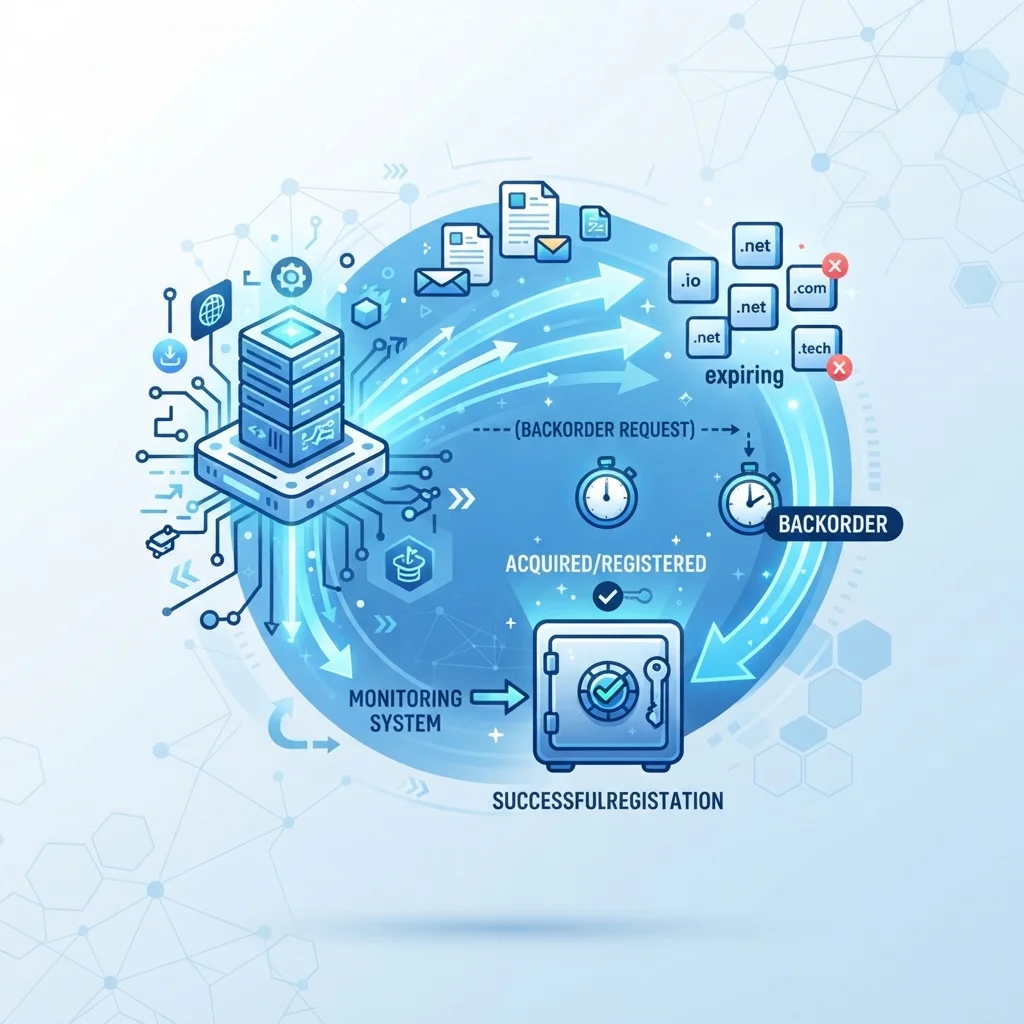
From a commercial perspective, a backorder functions as an automated reservation mechanism that monitors, tracks, and snaps up pending-delete web assets. When an existing registrant abandons a high-performing domain, competing organizations race to acquire its backlink profile, direct type-in traffic, and historical authority. Placing an early request ensures that your registrar deploys high-speed capture daemons on your behalf the microsecond the domain releases to the general public.
Under the hood, all gTLD domain lifecycle states are strictly codified by ICANN and registry operators like Verisign. Registrars interact with the central Shared Registry System (SRS) using the Extensible Provisioning Protocol (EPP) over TCP port 700 secured via TLS, governed by RFC 5730 and RFC 5731. When expiration occurs, the domain moves through deterministic states that dictate exactly when automated backorder catchers can query and transmit EPP commands.
| Lifecycle Phase | EPP Status Code | Standard Duration | Registrant Permissions | Drop-Catch Operational Action |
|---|---|---|---|---|
| Active / Auto-Renew | ok / autoRenewPeriod |
1 to 45 Days | Full renewal rights at regular cost | Passive polling via ICANN WHOIS / RDAP |
| Redemption Grace (RGP) | redemptionPeriod (RFC 3915) |
30 Days | Restorable with registry penalty fee | Continuous SRS availability monitoring |
| Pending Delete | pendingDelete |
5 Days (Strict) | Irrevocable; domain cannot be restored | Algorithm syncs to registry release window |
| Purged / Dropped | *None* (Deleted from zone) | Sub-second | Open to public registration | Multi-threaded domain:create EPP burst |
During the five-day pendingDelete status, the registry operator disallows all modifications, transfers, or owner redemptions. At the expiration of this window—typically releasing between 11:00 AM and 2:00 PM Pacific Time for .com and .net domains—the registry purges the records from its primary zone database. Automated drop-catch clusters execute thousands of pipelined EPP XML payloads per millisecond to secure the registration before competing registrars register a hit.
# Business Value and Technical Risk Mitigation
Failing to defend an abandoned brand property carries severe financial and reputational exposure. Cybersquatters systematically scrape expiring zones to redirect inbound user traffic toward counterfeit storefronts, phishing campaigns, or direct industry rivals. Rebuilding lost search engine equity can require quarters of remediation documented through Google Search Central, making programmatic domain recovery far more cost-effective than building authority from scratch.
From an infrastructure perspective, misconfigured name servers on a newly acquired domain generate immediate network errors. When incoming client requests hit authoritative name servers lacking matching zone records, resolvers return NXDOMAIN or SERVFAIL responses, triggering cascading network timeouts. Simultaneously, missing or orphaned MX records cause external mail transfer agents (MTAs) to drop incoming SMTP connections over port 25, disrupting business communications.
# Post-Acquisition Implementation and DNS Provisioning
The instant your backorder engine executes a successful catch, you must establish an authoritative zone configuration to prevent traffic blackholing. Provisioning must prioritize cryptographic transport security, authentication records, and deterministic routing.
| Record Type | Host / Name | Target / Canonical Value | TTL | Protocol Purpose / RFC Standard |
|---|---|---|---|---|
SOA |
@ |
ns1.deals2domains.com. hostmaster... |
86400 | Zone authority, refresh timers, and serials (RFC 1035) |
A |
@ |
198.51.100.24 |
300 | Dual-stack primary IPv4 endpoint mapping |
AAAA |
@ |
2001:db8::24 |
300 | Native IPv6 endpoint mapping (RFC 3596) |
CNAME |
www |
yourdomain.com. |
3600 | Canonical alias routing to apex hostname |
MX |
@ |
mail.yourdomain.com. (Priority: 10) |
1800 | Directs SMTP ingress to mail gateways (RFC 5321) |
TXT |
@ |
v=spf1 include:secureserver.net -all |
3600 | Hard-fail SPF policy (RFC 7208) |
TXT |
_dmarc |
v=DMARC1; p=reject; pct=100; |
3600 | Strict DMARC enforcement policy (RFC 7489) |
Inspect and confirm your newly provisioned records using authoritative command-line diagnostic tools. You can execute recursive trace queries and evaluate registration metadata using ICANN Lookup (WHOIS) or terminal utilities to ensure the root zone delegates authority accurately:
# Trace authoritative DNS resolution from root servers down to your zone
dig +trace +nodnssec yourdomain.com A

# Query registry status codes to confirm ownership assignment
whois yourdomain.com | grep "Domain Status"

# Verify TLS 1.3 cryptographic handshake and certificate chain on port 443
openssl s_client -connect yourdomain.com:443 -tls1_3 -servername yourdomain.com
# High-Concurrency Capture Architecture
The efficacy of an automated drop-catch service depends directly on its physical network topology and registrar accreditation volume. Premium drop-catch platforms maintain distributed pools of accredited registrar entities, allowing them to open multiple parallel EPP connections into registry edge systems. This multi-socket approach circumvents registry connection throttling limits, multiplying the chances of capturing an asset during microsecond drop windows.
Generic top-level domains (gTLDs) run on deterministic deletion schedules, whereas country-code extensions (ccTLDs) enforce idiosyncratic lifecycle models governed by local national registries. Certain ccTLDs omit the standard Redemption Grace Period entirely or mandate manual review periods before execution. Deploying an enterprise tracking engine like Domain Alert® Pro Backorder provides the continuous registry telemetry, automated queuing, and direct API hooks necessary to outmaneuver standard registrar requests.
# Common Infrastructure Pitfalls and Remediation
Acquiring an aftermarket or expired domain presents operational edge cases that can degrade service availability if you do not address them systematically:
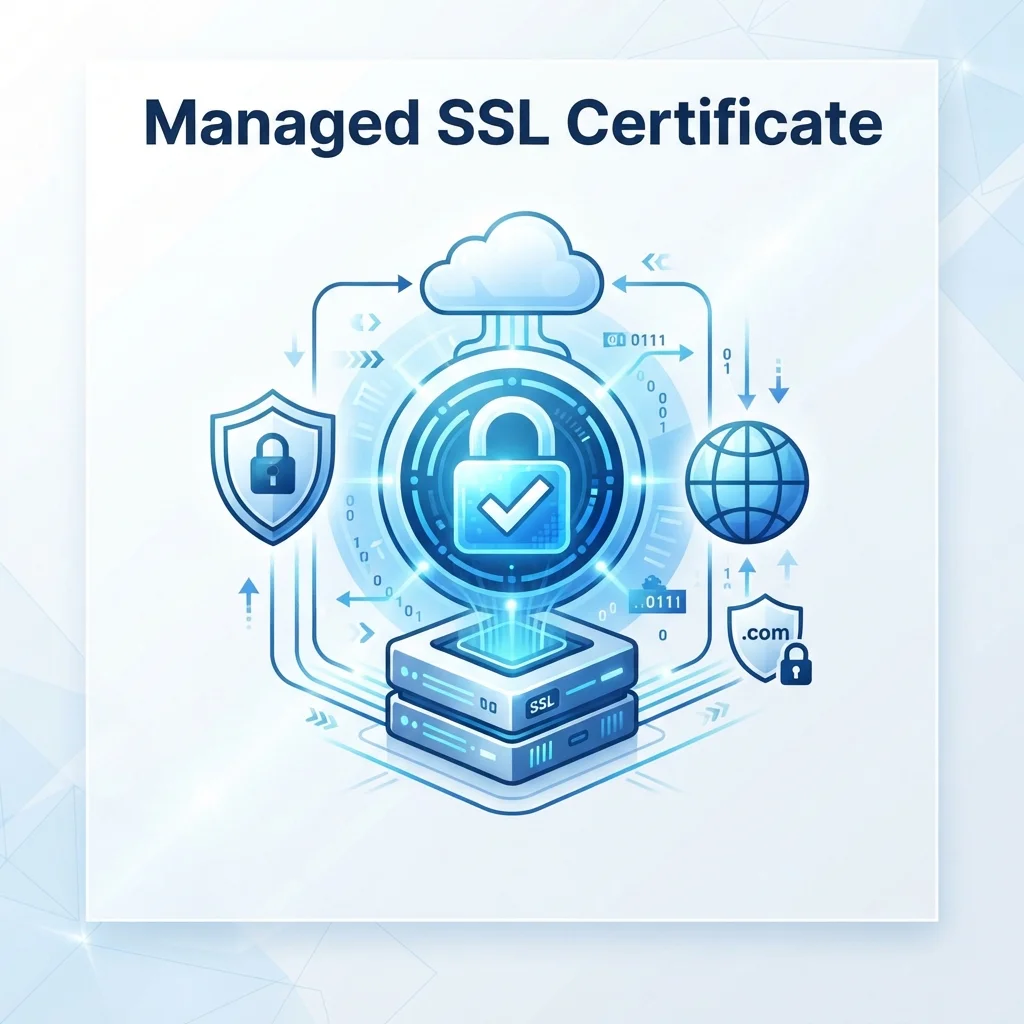
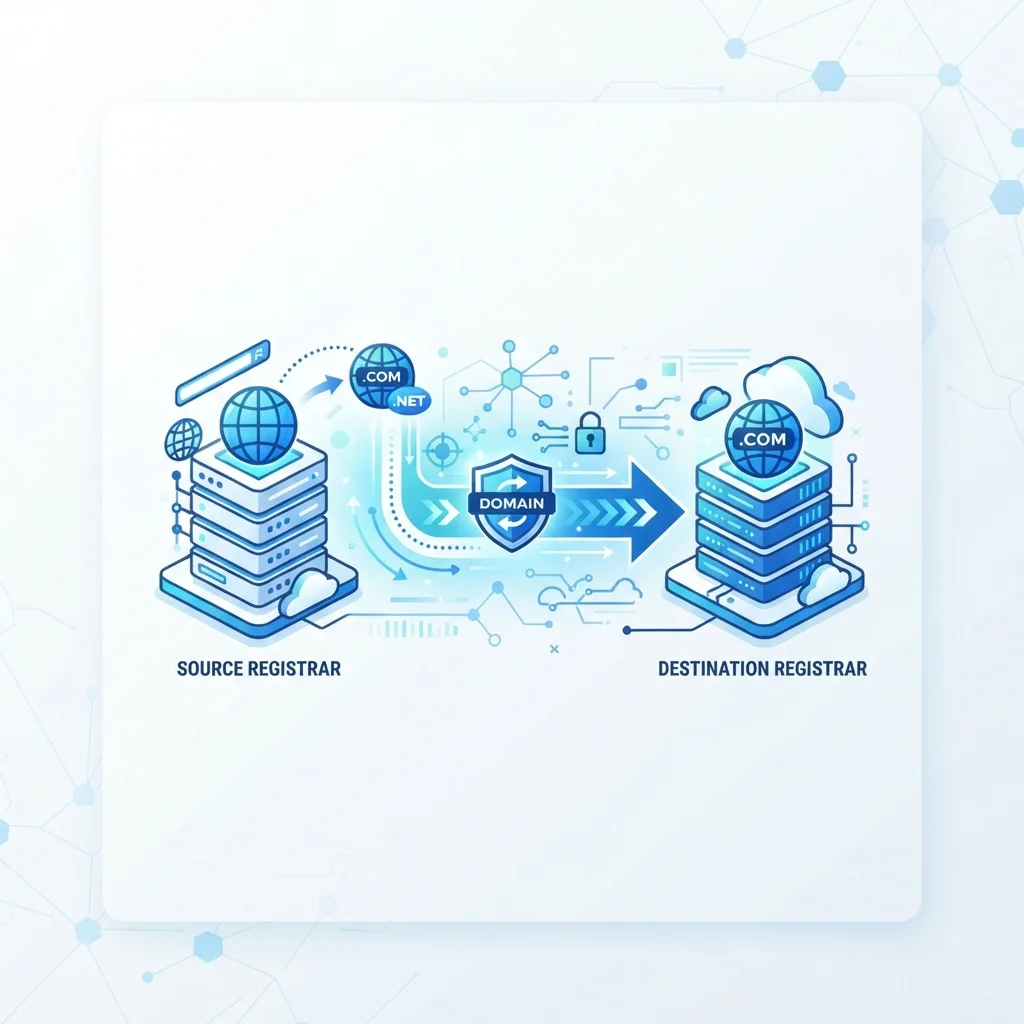
1. Negative Resolvability Caching: When a domain drops, recursive resolvers across the globe cache negative NXDOMAIN responses based on the previous SOA record’s minimum TTL value. You can mitigate this downtime by deploying authoritative records with low TTLs (300 seconds) prior to full cutover so global caches refresh quickly. 2. Cryptographic Validation Failures: Re-pointing apex DNS without immediate certificate issuance causes TLS handshakes to abort with cryptographic validation errors. Integrate a Managed SSL pipeline to issue trusted ECDSA or RSA certificates via automated ACME challenges before traffic hits production. 3. MTA Reputation and Email Blacklisting: Expired domains frequently retain legacy reputation scores or may have been abused by spam operations prior to abandonment. Secure clean outbound routing with dedicated Business Email or integrated Microsoft 365 Business configurations while validating SPF, DKIM, and strict DMARC enforcement. 4. ICANN Transfer Locks: ICANN rules mandate a 60-day change-of-registrant transfer moratorium following any ownership assignment. Avoid scheduling an immediate Domain Transfer to an outside registrar until this mandatory anti-hijacking window clears.
# Secure Dropped Assets with Strategic Infrastructure
Securing mission-critical domain assets demands sub-millisecond execution, deep visibility into EPP drop cycles, and rapid DNS deployment. By combining automated drop-catch velocity with rock-solid server and mail provisioning, tech leaders protect organizational equity while maintaining absolute operational reliability. Build your acquisition pipeline with our proven Domain Backorder platform, or expand your core portfolio using streamlined Register a Domain solutions today.
Ready to find the perfect domain? Our AI domain search tool checks availability and suggests strong names in seconds.